The Best of British Inventions
1821 — Michael Faraday is the inventor of the electric motor. Without this, we 1) would not have (not have) the technological appliances we take for granted today. Faraday’s face used to be on the British twenty pound note from 1991 to 2001.
1829 — George Stephenson designed a steam train locomotive called the «Rocket». It was a great success and 2) encouraged (encourage) the growth of railways, which played a very important part in the Industrial Revolution in the late 18th and early 19th centuries. Many of the items we use today were invented during that time.
1837 — Charles Babbage 3) is considered (consider) by most to be the «Father of Computing». By 1834, he 4) had invented (invent) the «analytical engine» which established the basic principles of computing. Although he never completed any of 5) his (he) machines, his detailed drawings were used to build a model of his Difference Engine No. 2 at the London Science Museum. It was completed in 1991, and it performed mathematical calculations very accurately.
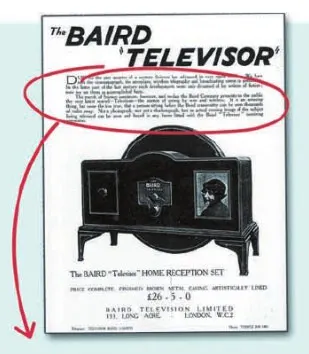
1925 — John Logie Baird worked hard 6) to transmit (transmit) the first real television images, a dream of many scientists for decades before. His first «TV set» could be made from everyday objects such as a biscuit tin, cardboard and string! 7) later (late), others took Baird’s ideas and slowly developed TV as we know it today.
Лучшие британские изобретения
1821 — Майкл Фарадей изобрёл электродвигатель. Без него у нас не было бы бытовых приборов, к которым мы сегодня так привыкли. С 1991 по 2001 год портрет Фарадея был на британской банкноте в двадцать фунтов.
1829
1829 — Джордж Стефенсон построил паровоз «Ракета». Он имел огромный успех и дал толчок росту сети железных дорог, которые сыграли очень важную роль в промышленной революции конца XVIII — начала XIX века. Многие вещи, которыми мы пользуемся сейчас, появились именно тогда.
1837 — Чарльза Бэббиджа большинство людей считает «отцом вычислительной техники». К 1834 году он уже придумал «аналитическую машину», заложившую основы вычислений. Хотя ни одна из его машин так и не была достроена, по его подробным чертежам в Лондонском музее науки создали модель Разностной машины № 2. Её закончили в 1991 году, и она выполняла математические расчёты с большой точностью.
1925 — Джон Лоуги Бэрд упорно трудился, чтобы передать первые настоящие телеизображения, о которых десятилетиями мечтали многие учёные. Его первый «телевизор» можно было собрать из обычных вещей: коробки из-под печенья, картона и верёвки! Позже другие подхватили идеи Бэрда и постепенно создали телевидение таким, каким мы знаем его сегодня.