Interviewer: Hello, listeners. Today, Emma Samuels is with us. Emma is an archaeologist from London University. Emma, a few weeks ago you made an exciting discovery, didn’t you?
Добрый день, уважаемые слушатели! Сегодня у нас в гостях Эмма Сэмюэлс, археолог из Лондонского университета. Эмма, несколько недель назад вы сделали захватывающее открытие, верно?
Emma: Yes. Last month, when I was in Wales with some of my students, we discovered some ancient Roman buildings buried in a field that nobody knew about.
Да. В прошлом месяце я была в Уэльсе со студентами, и мы нашли древние римские постройки, скрытые под землёй на поле, о котором никто не знал.
Interviewer: Nobody knew the buildings were there?
Никто не знал, что там есть эти постройки?
Emma: No! We were the first people to discover them.
Нет! Мы первыми их обнаружили.
Interviewer: Can you tell us a bit about the buildings?
Расскажете немного о них?
Emma: Well, we aren’t sure what the buildings are yet. All we know is that some of them are enormous. We think this means they were very important.
Пока мы не знаем точно, что это за постройки. Известно лишь, что некоторые из них очень большие, а значит, вероятно, имели большое значение.
Interviewer: Is one a palace, perhaps?
Может быть, одна из них — дворец?
Emma: Maybe. We think one building was probably the home of a very rich person. So possibly it is a palace. We think another building was a huge warehouse where the Romans kept food.
Возможно. Думаем, одна постройка принадлежала очень богатому человеку, так что это может быть дворец. Другая, похоже, была огромным складом, где римляне хранили провизию.
Interviewer: How exciting! Emma, is it common for archaeologists to find things from Roman times in Britain?
Как интересно! Эмма, часто ли археологи находят в Британии предметы времён Рима?
Emma: Yes, quite common. For example, a year ago, archaeologists discovered a gladiator cemetery.
Да, довольно часто. Например, год назад археологи нашли гладиаторское кладбище.
Interviewer: How exciting!
Как интересно!
Emma: But it’s not just professional archaeologists who make discoveries. Members of the public sometimes find things too. For example, last year, a man found an ancient pot buried in a field that had over 50,000 Roman gold coins in it!
Но открытия делают не только профессиональные археологи. Иногда что-то находят и обычные люди. Например, в прошлом году один мужчина нашёл в поле древний кувшин с более чем 50 000 золотых римских монет!
Interviewer: Yes, I heard about that! Emma, how long were the Romans in Britain for?
Да, я слышал об этом! Эмма, сколько времени римляне провели в Британии?
Emma: They were here for about 400 years.
Около 400 лет.
Interviewer: And why did they leave?
А почему они ушли?
Emma: They left because their homes in Italy were under attack. All the soldiers went back to Italy to fight.
Потому что на их родину, в Италию, напали. Все солдаты вернулись туда, чтобы её защищать.
Interviewer: Thank you, Emma. That was very interesting.
Спасибо, Эмма. Было очень интересно.
Emma: You’re welcome.
Пожалуйста.
Emma and her students discovered some ancient buildings in London. — F (They discovered some ancient Roman buildings in Wales)
Эмма и её ученики нашли древние здания в Лондоне. (На самом деле они нашли древние римские постройки в Уэльсе)
Some locals told Emma and her students about the buildings. — F (Nobody knew the buildings were there)
Местные жители рассказали Эмме и её ученикам об этих постройках. (Никто не знал, что они там есть)
Emma believes the buildings are important because of their size. — T (some of them are enormous… this means they were very important.)
Эмма считает, что здания важны из-за своих размеров. (Некоторые из них огромны, а значит, были очень важны)
Emma says it isn’t unusual to find Roman ruins in Britain. — Т (Yes, quite common.)
Эмма утверждает, что находить римские руины в Британии не редкость. (Да, это довольно обычное явление)
Emma once discovered a pot full of Roman gold coins. — F (a man found an ancient pot)
Однажды Эмма нашла горшок, полный римских золотых монет. (Древний горшок нашёл мужчина)
The Romans stayed in Britain for 40 years. — F (They were here for about 400 years.)
Римляне жили в Британии 40 лет. (На самом деле около 400 лет)
The Romans left Britain because they had to defend their homes in Italy. — T (their homes in Italy were under attack)
Римляне ушли из Британии, потому что им нужно было защищать свою родину. (Их дома в Италии подверглись нападению)
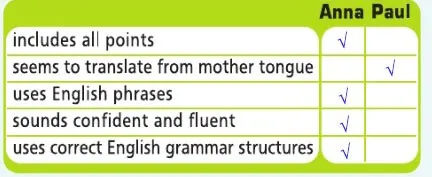
Sound natural: When you speak English, don’t translate the words from your mother tongue. The word order can be different. Also, learn phrases, not isolated words, and use them without thinking of your native language equivalents.
Говорите естественно: не переводите слова с родного языка, ведь порядок слов в английском может отличаться. Лучше заучивать готовые фразы, а не отдельные слова, и употреблять их сразу, без перевода на русский.